
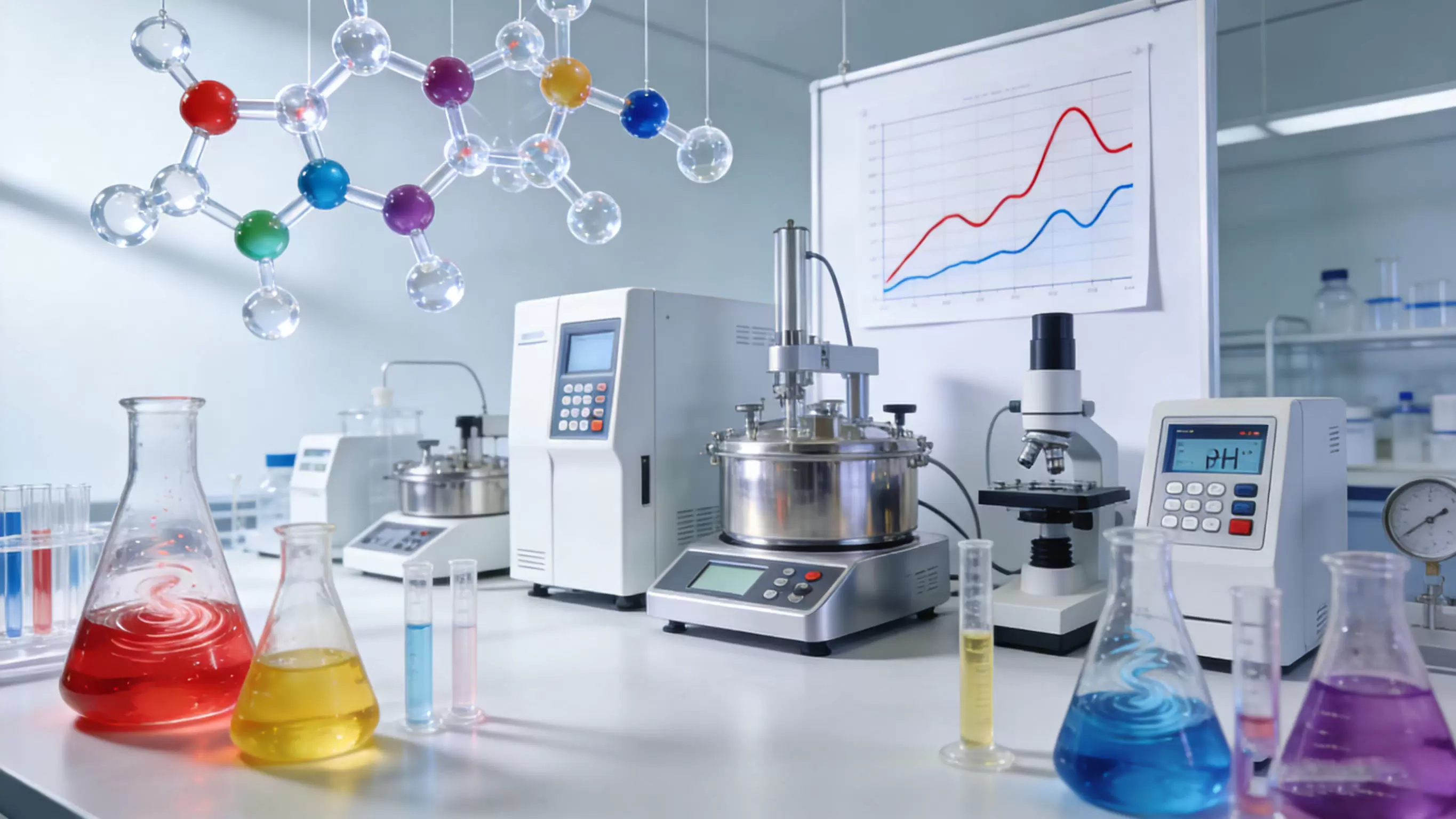
Usus Varii Chemicorum Subtiliorum: Novationem per Industrias Praecipuas Promoventes
Summarium
Chemica subtilia, quae sua puritate excellunt, structuris molecularibus implicatis, et muneribus propriis, sunt fundamentum innovationis industrialis hodiernae, quorum usus ad pharmaceutica, agriculturam, scientiam materiarum, et alia multa pertinet. Hic commentarius eorum munera maximi momenti in variis campis explorat, eorumque collationes ad producta evolvenda, processus optimandos, et progressum technologiae sustinibilis illustrat.
1. Introductio
Chemica subtilia a chemicis massalibus distinguuntur propter parva voluminibus productionis (plerumque minus quam decem milia tonnarum per annum), magnum valorem additum (saepe plus quam $10/kg), et strictas specificationes qualitatis. Productae per synthesis fasciculorum multigradualem vel processus biotechnologicos, inserviunt ut elementa fundamentalia chemicis specialibus, quae praecisam potestatem proprietatum producti finalis permittunt. Earum usus continenter augentur, dum industriae solutiones efficientiores, sustinibiliores, et maioris effectus postulant.
2. Usus Praecipui Chemicorum Subtiliorum
2.1 Pharmaceutica et Biotechnologia
Chemica subtilia in inventione et confectione medicamentorum necessaria sunt, praesertim ut principia pharmaceutica activa (PFA), materiae intermediae, et excipienta. PFA, quae sunt partes therapeuticae medicamentorum, summam puritatem et structurae subtilitatem postulant ad efficaciam et salutem praestandam. Exempli gratia, composita intermediaria heterocyclica, sicut 2-((N-(2-Methoxyphenyl)-4-methylphenyl)sulfonamido)-N-(4-methoxypyridin-3-yl)acetamide (CAS: 1890208-58-8), maximi momenti sunt ad nova pharmaca cum actionibus biologicis directis componenda. In biotechnologia, chemica subtilia funguntur ut substrata, exploratra, et moleculae regulatoriae fermentationi microbiali et artis enzymaticae, productionem biopharmaceuticorum et chemicorum biologicorum promoventes.
2.2 Agrochemica
Sector agriculturae chemicis subtilibus nititur ad augendum proventum frugum, ad defendendum contra pestes morbosque, et ad meliorandam salutem soli. Herbicidia, insecticidia, fungicidiaque saepe continent principia activa chemica subtilia, ad actionem selectivam designata, quae impulsum in circumiecta minuunt. Exempli gratia, chemica subtilia chiralia adhibentur ad pesticidia enantiopura synthesizanda, quae maiorem efficaciam et minorem toxicitatem praebent quam mixturae racemicae. Praeterea, regulatores incrementi plantarum, sicut gibberellina et cytokinina, sunt chemica subtilia quae incrementum plantarum optimizant, quod ad auctam productivitatem agriculturalem ducit.
2.3 Scientia Materiarum et Fabricatio Provecta
Chemica subtilia maximi momenti sunt in materiis summae efficientiae cum proprietatibus ad usum accommodatis evolvendis. In textilibus et plasticis, tincturae pigmentaque specialia (e.g., Ruber Dispersus 177) colorem vividum et diuturnum praebent, integritatem materiae servantes. Additamenta, sicut plasticantes, antioxidanta, et flammastatica, omnia chemica subtilia, functionalitatem et vitam polymerorum augent. In re electronica, chemica subtilia ultrapura (e.g., photoresistentes, corrosiva, et polymera conductiva) necessaria sunt ad fabricandos semiconductores, tabulas circuituum impressorum, et technologias ostensivas, praecisionem et fidem in instrumentis electronicis praestantia.
2.4 Cura Personalis et Cosmetica
Industria curationis personalis chemicis subtilibus nititur ad formulanda producta tuta, efficacita, et venusta. Conservativa, sicut acidum p-anisicum, incrementum microbiale prohibent, vitam utilem cosmeticorum producentes, dum aromata et sapores ex chemicis subtilibus derivati experientias sensorias augent. Tensioactiva, emulsificatores, et humectantes, omnes chemica subtilia specialia, texturam, stabilitatem, et proprietates humectantes productorum meliorant. Exempli gratia, polyglycosidi alkylici, classis tensioactivorum viridium non ionicorum, late adhibentur in productis curationis personalis naturalibus et organicis propter biodegradabilitatem et lenitatem suam (RSC Publishing).
2.5 Cibus et Potio
Chemica subtilia industriae alimentariae sunt integralia, fungentes munere conservantium, saporis auctorum, et supplementorum nutritivorum. Antioxidantia, sicut acidum ascorbicum et tocopherola, corruptionem ciborum prohibent, dum dulcificatores artificiales (e.g., sucralosa) et composita saporis (e.g., vanillinum) qualitatem saporis meliorant. Emulsificatores et stabilizatores, ut lecithinum et carragenanum, texturam et constantiam ciborum processorum conservant. Praeterea, chemica subtilia in materiis involucris cibariis adhibentur ad proprietates repellentias augendas et vitam placardi producendam.
2.6 Tutela Ambitus et Sustentabilitas
Chemica subtilia ad sustinentiam oecologicam conferunt per applicationes in curatione aquae, purgatione aeris, et energia renovabili. Exempli gratia, coagulanta et flocculanta contaminamenta ex aquis sordidis amovent, dum chemica subtilia catalytica moderationem efficientem emissionum in processibus industrialibus efficiunt. In energia renovabili, chemica subtilia adhibentur in productione cellarum solarum, accumulatorum, et biocombustibilium, quod transitum ad fontes energiae mundae impellit. Praeterea, polymera biodegradabilia et solventes virides, ex chemicis subtilibus derivata, vestigium oecologicum fabricationis industrialis minuunt.
3. Provocationes et Futurae Propensiones
Quamvis versatilis, industria chemica subtilis difficultates oppetit, quales sunt sumptus productionis alti, processus synthetici implicati, et praecepta regulatoria severa. Tamen, progressus in chemia viridi, biocatalysi, et intensificatione processuum has quaestiones solvere incipiunt, productionem magis sustinibilem et sumptu efficacius reddentes. Tenditiae futurae includunt evolutionem chemicorum subtilium biologicorum, integrationem intelligentiae artificialis in consilio moleculari, et expansionem chemicorum subtilium personalizatorum ad usus speciales.
IV. Conclusio
Chemica subtilia sunt heroes insignes industriae modernae, quae innovationem et progressum per varios sectores efficiunt. A medicamentis quae vitam servant ad materias oecologicas, eorum proprietates et munera propria pergent incrementum technologicum impellere et qualitatem vitae meliorem reddere. Industriis evolventibus, postulatio chemicorum subtilium magni pretii et sustinendorum tantum crescet, quod eorum munus criticum in futuro chemiae et fabricationis formando extollit.
Commentarii Recentes